

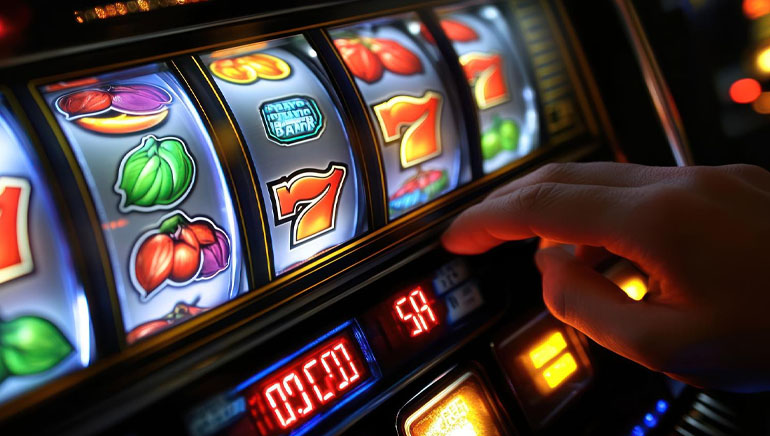
The digital casino floor offers an overwhelming variety of choices. Where classic mechanical machines once presented three spinning reels with a handful of fruit symbols, contemporary online slots feature intricate math models, cinematic graphics, dynamic grid setups, and elaborate bonus mechanics. Navigating this massive digital library requires more than simply choosing an attractive visual theme or soundtrack.
To make informed choices and manage your bankroll effectively, you must understand the underlying technical specifications and structural features that dictate how online slots operate. Every title is governed by statistical models that determine payout frequency, hit distribution, risk level, and long-term performance. Understanding these elements transforms slot gaming from pure guesswork into an informed recreation.
Core Mathematical Concepts: RTP and Volatility
Before looking at visual aesthetics or bonus games, every player should evaluate the fundamental math model powering a slot machine. These baseline metrics determine how a game pays out over thousands of spins.
-
Return to Player Percentage: The Return to Player, commonly abbreviated as RTP, represents the theoretical percentage of all wagered money that a slot pays back to players over extended periods of millions of spins. For instance, a game featuring a 96 percent RTP is mathematically modeled to retain four dollars for every one hundred dollars wagered across its entire lifespan. As a standard benchmark, look for titles offering an RTP of 96 percent or higher, as lower figures increase the operator mathematical advantage.
-
Volatility and Variance: Volatility measures the risk profile and distribution curve of a slot. High-volatility games deliver infrequent payouts that are substantially larger when they land, making them suitable for players with larger bankrolls who can endure long losing streaks. Low-volatility slots pay out frequent, smaller amounts, providing steady gameplay that extends modest budgets. Medium-volatility titles strike a balance between hit frequency and payout magnitude.
-
Hit Frequency: Distinct from RTP, hit frequency defines how often a spin produces a winning outcome of any size, including payouts smaller than the original stake. A machine with a thirty percent hit frequency will, on statistical average, produce a winning line roughly three times for every ten spins.
Reel Formats and Payline Structures
The physical architecture of slot games has moved far beyond traditional horizontal paylines. Modern digital engines introduce varied ways to form winning combinations across the grid.
-
Fixed and Adjustable Paylines: Traditional layouts use predefined lines that run straight, diagonally, or in zigzag patterns across three to five reels. Fixed-line titles require betting on all available paths simultaneously, whereas adjustable formats allow you to select the exact number of active lines per round.
-
Ways to Win Mechanics: Many modern games eliminate paylines altogether in favor of adjacent reel evaluations. In a 243-ways engine, symbols only need to land on adjacent reels starting from the leftmost reel, regardless of their vertical position. This system scales up to thousands of potential ways on expanded six-reel grids.
-
Cluster Pays and Grid Engines: Popularized by cascading grid games, cluster pay mechanics reward groups of matching symbols that connect horizontally or vertically. Once a cluster forms, the winning symbols vanish, allowing new symbols to fall from the top of the grid and potentially trigger consecutive chain-reaction wins on a single paid spin.
-
Dynamic Reel Modifiers: Engines like Megaways dynamically alter the number of symbols appearing on each reel with every individual spin. A single reel may show two symbols on one turn and seven on the next, producing tens of thousands or even over one hundred thousand active ways to win on any given spin.
Wild Symbols and Expanding Substitutions
Wild symbols act as functional jokers in a slot deck, substituting for standard pay symbols to complete or improve winning lines. Game developers incorporate distinct variations of wilds to add tactical depth to the base game.
-
Standard and Expanding Wilds: A standard wild covers a single coordinate on the grid. Expanding wilds detect a winning opportunity and stretch vertically to cover the entire reel, multiplying the number of completed paylines simultaneously.
-
Sticky Wilds: Frequently found in bonus rounds, sticky wilds remain anchored in their landing position for multiple subsequent spins or until the end of a free-spin feature, drastically increasing the likelihood of cumulative wins.
-
Walking and Shifting Wilds: These symbols remain on the screen across consecutive spins, shifting one reel to the left or right with each turn until they walk off the edge of the grid, providing ongoing substitution value.
-
Multiplier Wilds: These advanced symbols not only substitute for missing icons but also attach a numerical multiplier, such as 2x, 3x, or 5x, to any winning combination they help complete. If multiple multiplier wilds land within the same line, their values may multiply together for substantial payouts.
Bonus Rounds and Scatter Mechanics
The most significant portion of a modern slot return profile is often concentrated within dedicated bonus events. Accessing and understanding these features is central to the slot experience.
-
Scatter Triggers: Scatter symbols do not need to follow strict payline rules; landing a specified number anywhere across the reels, typically three or more, triggers the primary bonus mode or awards an instant cash scatter prize.
-
Free Spins with Progressive Multipliers: Free spin rounds provide a set number of non-deducted turns. Advanced features often incorporate increasing win multipliers that climb after every cascading win, applying massive multipliers to end-of-round totals.
-
Hold and Win Respin Rounds: In this popular feature, standard reel symbols disappear, leaving only cash or jackpot prize emblems on the board. Players receive a set number of respins, often three, which reset every time a new prize emblem lands. The round concludes when all respins expire or the entire screen is filled with values.
-
Pick-and-Win Interactive Mini-Games: Second-screen bonus rounds invite players to select from hidden items on screen, revealing instant coin prizes, multipliers, or direct entry into secondary progressive jackpot tiers.
Progressive Jackpots Versus Fixed Top Payouts
Understanding how a slot calculates its maximum prize determines whether the game fits your personal risk and reward objectives.
-
Networked Progressive Jackpots: A networked jackpot collects a small fractional percentage of every wager placed on that title across thousands of connected online casinos worldwide. The prize pool accumulates continuously until a player triggers the winning condition, often reaching multimillion-dollar sums. However, base games on progressive slots typically feature lower RTP values to fund the grand prize.
-
Local Progressive Pools: Local jackpots accumulate exclusively from wagers placed by players within a single specific casino platform. While the grand prize is smaller than global networks, the competition is restricted to users of that individual site.
-
Fixed Non-Progressive Caps: Non-progressive slots offer a defined maximum payout multiplier, such as 5,000x or 10,000x your base stake. These games maintain consistent baseline RTP metrics because no portion of the wager is diverted into an external cumulative pot.
Making an Informed Decision
Choosing the right online slot requires balancing technical parameters with personal gaming preferences. Always check the in-game paytable and information menu to verify the active RTP configuration, volatility rating, and bonus trigger conditions before allocating real funds.
Prioritize transparent developers who clearly disclose their mathematical models and certify their random number generator software through accredited testing agencies. By focusing on verified mechanics, responsible bankroll sizing, and structural features rather than visual marketing alone, you can enjoy a safe, controlled, and entertaining gaming experience.
Frequently Asked Questions
Can an online casino change the RTP of a specific slot machine?
Yes, many contemporary slot developers release their titles with variable RTP ranges, allowing individual casino operators to select from several approved settings, such as 96 percent, 94 percent, or 92 percent. Because of this practice, you should always check the in-game help or paytable screen at your chosen casino to confirm the exact active RTP figure before spinning.
What is the purpose of independent testing agencies in online slots?
Independent testing agencies, such as eCOGRA, iTech Labs, and BMM Testlabs, audit and evaluate the random number generator software used by developers. Their mathematical evaluations confirm that every spin outcome is completely unpredictable, statistically fair, and compliant with regional regulatory requirements.
Does betting the maximum amount increase your chances of winning?
In most standard fixed-odds video slots, bet sizing does not influence the underlying mathematical hit frequency or the random number generator. However, in certain classic three-reel games or progressive jackpot slots, betting the maximum stake or activating all coin lines is an explicit prerequisite for qualifying for top-tier jackpot payouts.
What is a feature buy option and how does it affect volatility?
A feature buy, or bonus buy, allows players to bypass the base game by paying a fixed premium, often 50x to 100x the standard bet, to immediately trigger the main bonus round. Utilizing this mechanic instantly shifts the game into an extremely high-volatility state, which can rapidly deplete a bankroll if the resulting bonus payouts fall short of the upfront purchase cost.
How do tumbling or cascading reels differ from standard spinning reels?
In standard spinning reels, all positions stop simultaneously, and any payouts are evaluated once per paid wager. In tumbling or cascading reels, winning symbols disappear from the grid, and the symbols above fall downward to fill the empty spaces, with new symbols entering from the top. This allows multiple consecutive winning combinations to form during a single paid turn.
Why do some slots have different paytables for identical symbols?
Paytables scale their payout values based on the exact quantity of matching symbols landed on an active payline or cluster, typically ranging from three to six icons. Additionally, higher-value thematic icons carry much larger base multipliers than the lower-value suit symbols, such as clubs, spades, hearts, and diamonds, which appear more frequently on the reels.
What is meant by a slot win cap or maximum exposure limit?
A win cap is a hard limit set by the game developer that restricts the maximum amount a slot can pay out on a single round or bonus feature, regardless of how high multipliers climb. If a slot has a 10,000x win cap and a sequence reaches that threshold, the round ends immediately, and all accumulated winnings up to that ceiling are awarded.