

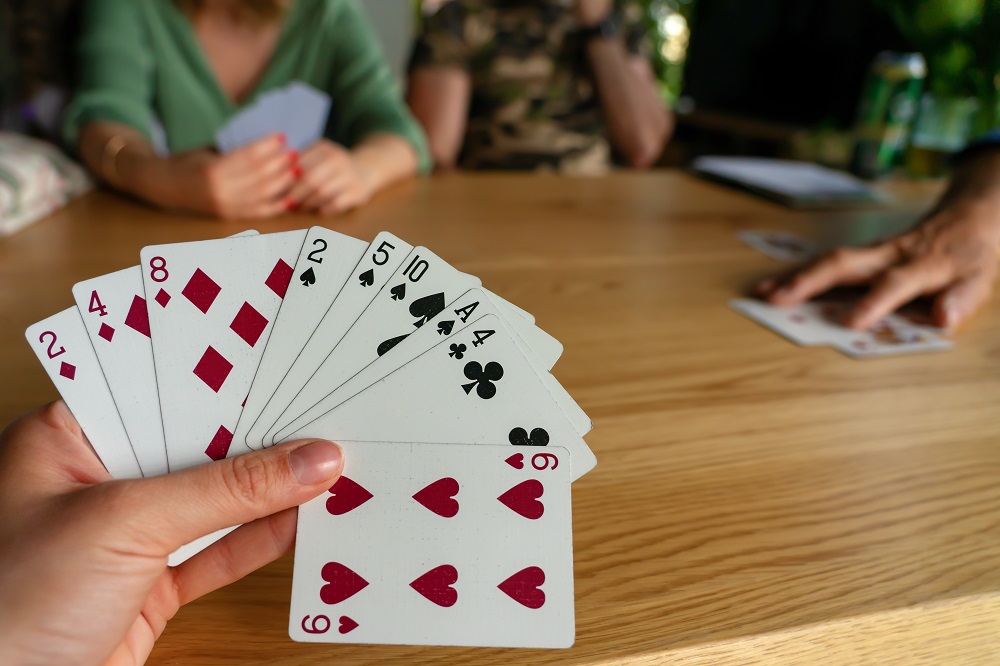
In an era dominated by glowing screens, constant digital notifications, and automated entertainment, people are increasingly searching for tactile, authentic ways to unwind and connect. While video games and streaming platforms offer passive diversion, few activities rival the timeless charm of sitting down around a physical table with a simple deck of cards.
Card games have persisted across centuries and cultures because they provide an ideal balance of strategic depth, tactile satisfaction, social interaction, and pure fun. A single deck of fifty-two cards contains virtually limitless gameplay possibilities, serving as an accessible gateway to bonding, mental exercise, and genuine leisure. Putting your cards on the table invites a unique kind of presence that revitalizes social gatherings and sharpens the intellect.
The Timeless Appeal of the Standard Deck
The standard French-suited deck, consisting of fifty-two cards divided into four suits and thirteen ranks, is one of the most brilliant and enduring designs in human history. Its compact size and mathematical symmetry make it remarkably versatile.
-
Portability and Simplicity: A pack of cards slips effortlessly into a pocket, backpack, or glove compartment. It requires no batteries, internet connection, charging cables, or costly accessories. Whether on a camping trip, during an airport layover, or at the kitchen table, a game is ready to begin in seconds.
-
Infinite Replayability: A standard deck can be arranged in more unique combinations than there are atoms on Earth. This staggering mathematical variety means no two deals are ever identical, guaranteeing that even simple games remain fresh after decades of play.
-
Low Financial Barrier: Unlike modern tabletop board games with elaborate plastic miniatures and heavy rulebooks, a high-quality deck of playing cards costs only a few dollars. It is one of the most cost-effective forms of entertainment in existence.
-
Universal Cultural Familiarity: The symbols of spades, hearts, diamonds, and clubs are recognized worldwide. This universal language allows people from different linguistic and cultural backgrounds to sit down and share a game with minimal initial instruction.
Cognitive and Mental Benefits of Card Playing
Playing card games is not merely an idle pastime; it is an active workout for the brain. Engaging in regular card play exercises a wide variety of cognitive faculties, helping to maintain mental agility across all stages of life.
-
Working Memory and Recall: Games like Bridge, Hearts, and Memory require players to track which cards have been played, remember opponents discards, and deduce remaining hands. This active monitoring exercises short-term memory and improves information retention.
-
Strategic Planning and Forward Thinking: Games such as Rummy, Poker, and Cribbage demand deliberate calculation. Players must balance short-term decisions against long-term objectives, evaluate risk versus reward, and formulate contingency plans when dealt an unfavorable hand.
-
Probability and Quantitative Reasoning: Calculating odds on the fly, assessing the likelihood of drawing an out, and understanding point distributions build practical, intuitive mathematical reasoning in a low-stress environment.
-
Focus and Sustained Attention: Sitting through a multi-round card match requires continuous focus and patience. In a world of fragmented attention spans, card games cultivate the capacity to concentrate on evolving situations for extended periods.
Rebuilding Face-to-Face Human Connection
Perhaps the most compelling reason to embrace card games today is their ability to bridge social divides and restore genuine interpersonal connection. In-person gaming creates a shared physical space where conversation flows naturally.
-
Low-Pressure Socializing: The presence of a game provides a shared focal point, reducing the awkwardness often felt in unstructured social settings. Players can engage in lively banter, discuss strategy, or simply enjoy companionable silence while evaluating their hands.
-
Intergenerational Bonding: Card games transcend generational divides. Grandparents, parents, and children can easily compete on equal footing in games like Gin Rummy, Crazy Eights, or Spades. It provides an avenue for older generations to pass down cherished family traditions and storytelling.
-
Reading Nonverbal Cues: Physical play reintroduces the lost art of reading facial expressions, posture shifts, eye movements, and subtle hesitations. Deciphering these human tells brings psychological depth that digital multiplayer interfaces simply cannot replicate.
-
Practicing Emotional Resilience and Sportsmanship: Experiencing both lucky breaks and sudden defeats around a table teaches gracious winning and resilient losing. It provides a safe, low-stakes arena to practice emotional regulation and mutual respect among peers.
Exploring the Spectrum of Classic Card Genres
The world of card playing encompasses a diverse spectrum of genres, each offering distinct mechanics and emotional dynamics to suit any mood or group size.
-
Trick-Taking Classics: Games such as Spades, Hearts, Euchre, and Bridge center on winning sequential rounds by playing higher-ranking cards or trump suits. These games emphasize team communication, precision, and partnership synergy.
-
Melding and Matching Games: The Rummy family, including Gin Rummy and Canasta, revolves around forming sets and sequences of cards. These games reward careful hand construction, efficient card management, and defensive discarding.
-
Shedding Games: In games like President, Uno, and Crazy Eights, the objective is to deplete your hand before anyone else. These games feature fast-paced, dynamic swings of momentum that keep energy levels high and encourage lighthearted competition.
-
Solitary and Meditative Play: Solitaire variants such as Klondike, Spider, and FreeCell provide quiet, self-paced mental workouts. Playing solitaire with physical cards offers a rhythmic, tactile form of mindfulness and relaxation after a demanding day.
-
Modern Designer Card Games: Beyond the traditional deck, modern tabletop gaming has introduced specialized card games focusing on deck-building, drafting, and social deduction, expanding the medium into rich thematic storytelling.
The Tactile Artistry of Playing Cards
The sensory experience of handling physical playing cards is a vital part of the enjoyment. For many enthusiasts, the physical materials and craftsmanship elevate card playing into an aesthetic hobby.
-
The Feel of Card Stock and Finishes: Premium playing cards feature embossed air-cushion finishes, linen textures, and high-grade multi-layer paper stocks that make shuffling, fanning, and dealing smooth and satisfying.
-
The Sound of the Table: The rhythmic riffle of a deck, the snap of a card against a wooden table, and the gathering of tricks create an ambient auditory rhythm that anchors players in the present moment.
-
Custom Artwork and Design: Contemporary designers produce bespoke card decks featuring intricate back patterns, custom typography, and hand-illustrated court cards, turning standard decks into miniature works of portable art.
Bringing Card Play Back into Daily Life
Reintroducing the joy of cards into your life requires no elaborate preparation. It begins by simply keeping a fresh deck on your coffee table or carrying one in your everyday bag. Establishing a weekly card night with friends, teaching a new game to family members, or ending an evening with a few hands of solitaire can fundamentally change how you spend your leisure time.
Stepping away from digital noise to put your cards on the table is an invitation to slow down, connect deeply, and rediscover the timeless, restorative pleasure of shared play.
Frequently Asked Questions
What makes the bicycle air-cushion finish so popular for card playing?
The air-cushion finish features tiny dimples pressed into the card surface that trap micro-pockets of air between adjacent cards. This texture minimizes friction, allowing the deck to glide smoothly during shuffling, dealing, and fanning, while preventing cards from sticking together due to natural hand moisture.
How do plastic playing cards compare to traditional paper cards?
One hundred percent plastic cards, made of materials like cellulose acetate or polyvinyl chloride, are completely waterproof, resistant to bending, and easy to wipe clean, making them ideal for high-traffic use and outdoor environments. Traditional paper-core cards are lighter, offer superior tactile feel and spring memory for intricate shuffles, but degrade faster when exposed to moisture or heavy wear.
Which card game is best suited for teaching basic strategy to young children?
Go Fish and Crazy Eights are widely regarded as the best foundational card games for young children. They teach fundamental concepts such as rank recognition, suit matching, turn-taking, and basic hand management without overwhelming new learners with complex mathematical calculations or strict scoring rules.
How does playing Bridge differ fundamentally from Spades?
While both are trick-taking games, Bridge features a formal bidding phase using precise contractual language to determine both the trump suit and the exact number of tricks the partnership must win to score points. Spades uses a fixed trump suit and a simpler bidding system where each player bids their expected trick count independently, making it more accessible to learn while retaining substantial tactical depth.
What is the origin of the four traditional card suits?
The modern suits of spades, hearts, diamonds, and clubs originated in fifteenth-century France. They evolved from earlier Germanic and Latin systems representing four societal classes: spades represented the nobility and military, hearts stood for the clergy, diamonds symbolized merchants and wealth, and clubs represented peasants and agricultural workers.
How can a host introduce a card night to friends who do not usually play games?
Hosts should start with accessible, fast-paced games that have simple rules, such as Hearts, Rummy, or President. Keeping a concise summary card of the rules on the table, playing a practice round where everyone plays with open hands, and keeping the focus on snacks, casual conversation, and relaxed atmosphere ensure newcomers feel welcome rather than intimidated.
What are the main benefits of playing Solitaire physically rather than on a digital screen?
Physical Solitaire removes digital screen glare, eliminates algorithmic notifications, and requires the player to manually scan the layout and manipulate cards. This tactile engagement engages spatial reasoning and promotes a calm, meditative state that helps reduce mental fatigue without digital eye strain.